The Real Way to Dress for Festivities Without Overdoing It
Festive dressing usually collapses into excess—too much shine, too many colors, too many details fighting each other. The result isn’t stylish; it’s loud and forgettable. If you want to look put-together, you need control, not decoration overload.
Start with a clear anchor. Every outfit—men’s or women’s—needs one dominant element. It could be rich fabric, a deep color, or subtle craftsmanship. Pick one and build around it. If everything is trying to stand out, nothing actually does.
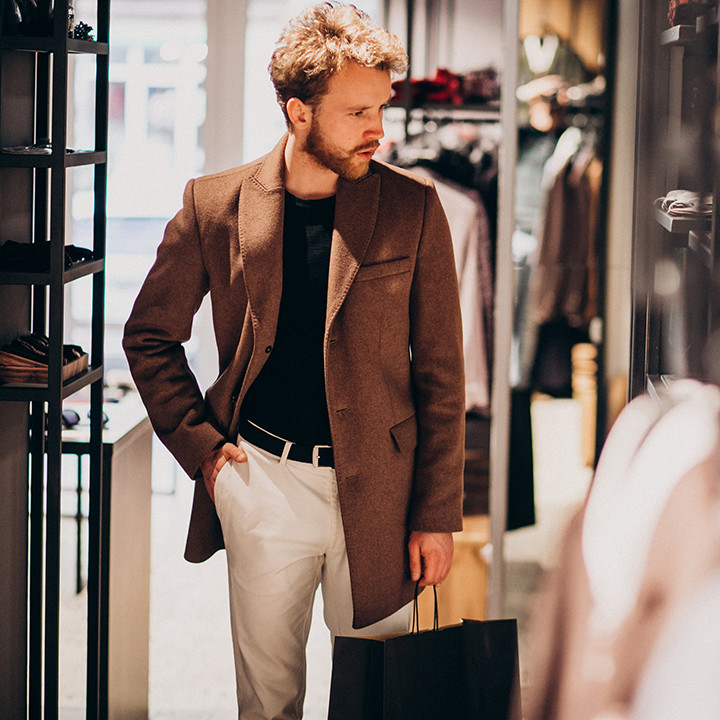
For Men: Clean Structure Wins Every Time
Festive menswear doesn’t require heavy embroidery or flashy fabrics. A well-fitted kurta in tones like navy, olive, charcoal, or deep maroon already looks refined. Pair it with tailored bottoms—churidar or straight trousers. The structure matters more than the design.
Add a Nehru jacket only if it improves the outfit. If your kurta has texture or detail, keep the jacket minimal. If the jacket is bold, the kurta should stay clean. Most men get this wrong—they stack details instead of balancing them.
Avoid high-shine fabrics. They reflect too much light and make the outfit look cheaper than it is. Matte or lightly textured materials like cotton-silk blends or jacquard keep things sharp without screaming for attention.
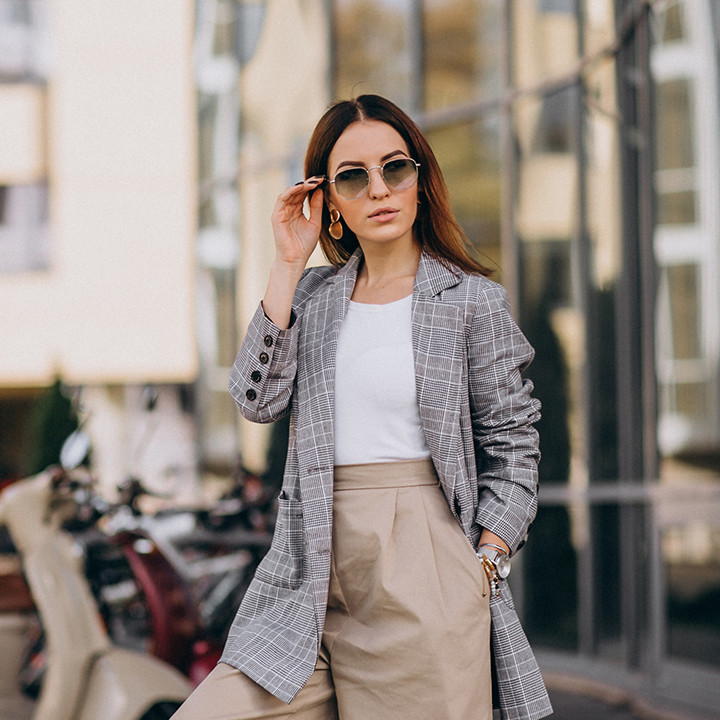
For Women: Controlled Elegance Over Heavy Design
Festive wear for women often goes overboard—heavy embroidery, multiple colors, layered silhouettes. It looks impressive in isolation but messy when worn. The smarter approach is precision.
Whether it’s a saree, lehenga, or suit, keep a clear design direction. If the fabric is rich, reduce embellishments. If the outfit has heavy work, simplify the silhouette. Don’t mix both at full intensity.
Color choice does most of the work. Jewel tones—emerald, wine, deep blue—consistently look refined. Soft pastels can work, but only with strong fabric quality. Avoid mixing too many contrasting shades. It breaks visual flow.
Dupattas are often misused. A heavily embroidered dupatta over an already detailed outfit creates clutter. Use it either as a highlight or keep it subtle. Not both.
Fabric Is the Real Statement
People rely on design to look festive, but fabric does more. Raw silk, brocade, and well-made blends naturally carry richness. Cheap fabric with heavy embellishment still looks cheap—just louder.
For both men and women, fabric quality should be your first decision, not the last.
Balance Your Proportions
Volume without control ruins the outfit. If you’re wearing a flared lehenga or anarkali, keep the upper half structured. If your kurta is relaxed, your bottoms should be sharp. Balance keeps the outfit intentional instead of messy.
Limit the Shine and Extras
Festive doesn’t mean reflective. Too much gloss—sequins, metallic finishes, high-shine fabrics—overwhelms the look. Use shine in small doses. One reflective element is enough.
Stick to What Works for You
Festivals aren’t the time to experiment wildly with unfamiliar styles. If you don’t usually wear something, you won’t carry it well under pressure. Refine your existing style instead of forcing a new one.
The Bottom Line
Looking festive isn’t about doing more—it’s about doing it right. Clean fit, controlled detail, strong fabric, and balanced design. Most people ignore these basics and rely on excess. That’s why they look overdone.
If your outfit feels effortless but intentional, you’ve done it right. Anything beyond that is just noise.